
Why Remedial Massage Actually Works (And When It's Not Enough)
14 August 2026 · 3 min read
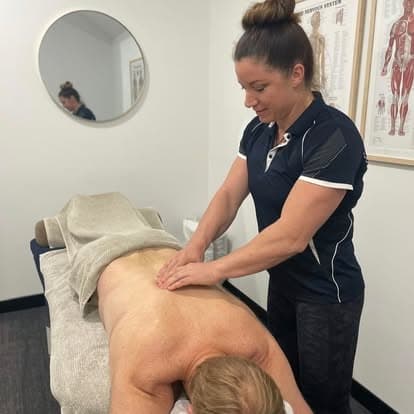
Most people book their first remedial massage expecting a stronger version of a relaxation massage. More pressure, more ache, same outcome. That's not quite what's happening, and understanding the difference changes how you use it.
It's assessment first, technique second
A remedial session starts with a question, not a routine: what's actually going on in this body right now. Tight through the neck could mean the muscle itself is short and overworked, or it could mean something else nearby is weak and the neck is compensating for it. Treating the symptom without finding the cause gets you two good days and a repeat booking for the same problem next month.
That's why a proper remedial treatment often moves around more than people expect: working through the hips when the complaint was a sore lower back, or through the shoulder blade when the pain is in the neck. Muscles work in chains. Pulling on one end shows up at the other.
Deep tissue is a tool, not a goal
"Deep tissue" gets used as a synonym for "hard massage," but depth isn't the point. Access is. Some tissue is genuinely stuck: fascia that's lost its glide, a muscle belly that's been guarding for months. Getting there sometimes takes firm, sustained pressure. Other times the more effective move is slow and light, giving the nervous system permission to stop bracing.
A therapist reading your body correctly will vary pressure through a single session, not apply one intensity throughout. If a treatment feels identical from the first minute to the last regardless of what area is being worked, something's being missed.
What happens between visits matters more than people think
A 60-minute session releases tension. It doesn't retrain a movement pattern that took years to form. That's the part people skip: the two or three things worth doing between visits (a stretch, a change in how you sit, a cue for load in the gym) that stop the tension rebuilding at the same rate it was released.
This is the actual difference between massage as a treat and massage as part of managing your body long-term. Both are valid reasons to book. But if the goal is fixing something rather than feeling good for a day, ask what the plan is for the time between sessions, not just what happens on the table.
When to see someone else first
Remedial massage is excellent for muscular tension, movement restriction, recovery load, and the slow-building aches of daily life and training. It is not the right first step for a suspected fracture, a nerve issue with numbness or shooting pain, or anything post-surgical without clearance. A good therapist will tell you when that's the case rather than treating around it. That's part of the job too.
If you're not sure which category you're in, mention it when you book. It takes thirty seconds and saves you a wasted session.